No Failure, Only Data
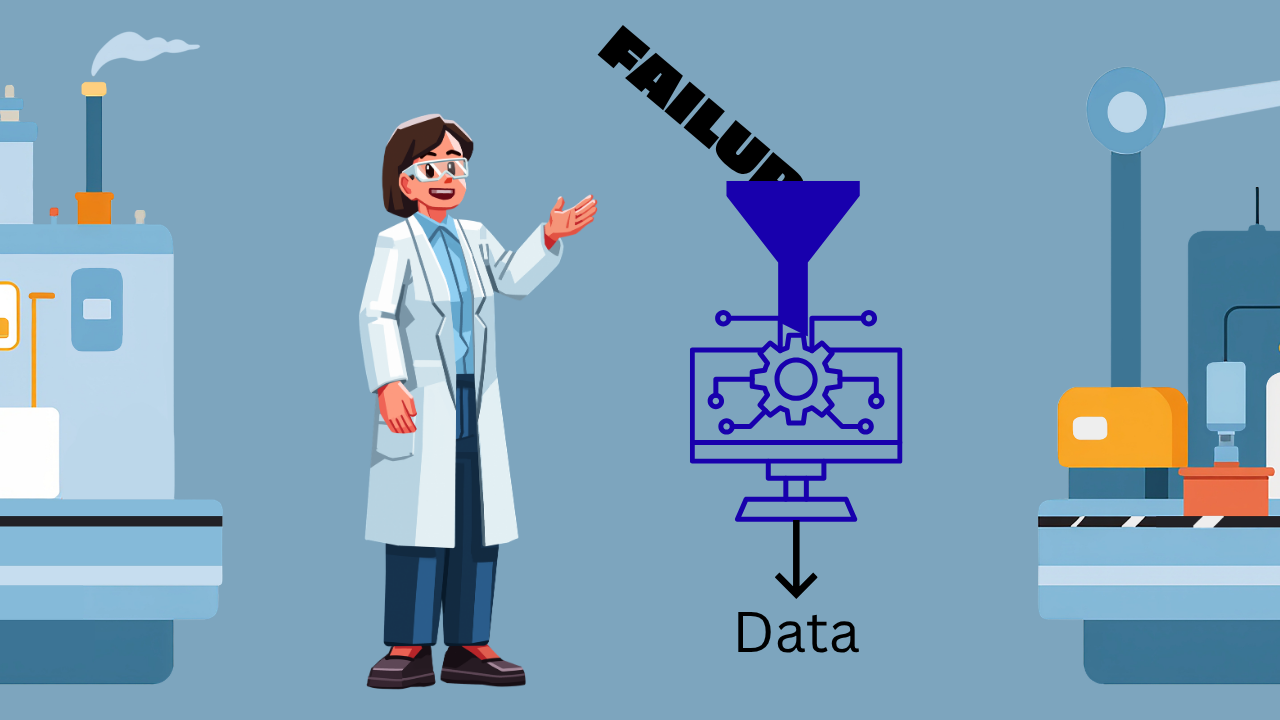
If you're in charge of risk management for NASA, you probably don't need to read this blog. But if you're not, keep reading:
In the 1993 movie Apollo 13, actor Ed Harris plays the role of real-life NASA Flight Director Gene Kranz. During the pivotal scene, when they are trying to find a way for the astronaut to land safely, Kranz says:
“We’ve never lost an American in space; we’re sure as hell not going to lose one on my watch! Failure is not an option.”
“Failure is not an option” became a tagline for many a CEO, All Star athlete, or variety of others who see the outcomes of their decisions as high stakes.
It sounds great, noble even, to set the bar so high. But it can be a disaster from a risk management perspective. I don't like to think of things in terms of success or failure. Rarely are outcomes so black and white. Fear of failure often leads to delays in decisions and lack of action, because no one wants to be the person who made the decision that is later deemed a failure.
But risk management is about uncertainty. You're often making decisions in real time with partial information. And unlike NASA, you are likely not making life or death decisions. Which means you have the ability to consider taking on some risks. You are the risk manager, not the risk avoider. Avoidance can certainly be a tactic, but it should not be the only card you play.
I’ve seen risk managers who are uncomfortable launching new initiatives, trying new programs, changing carriers or TPAs, because they are afraid of one question:
What if this isn't a success?
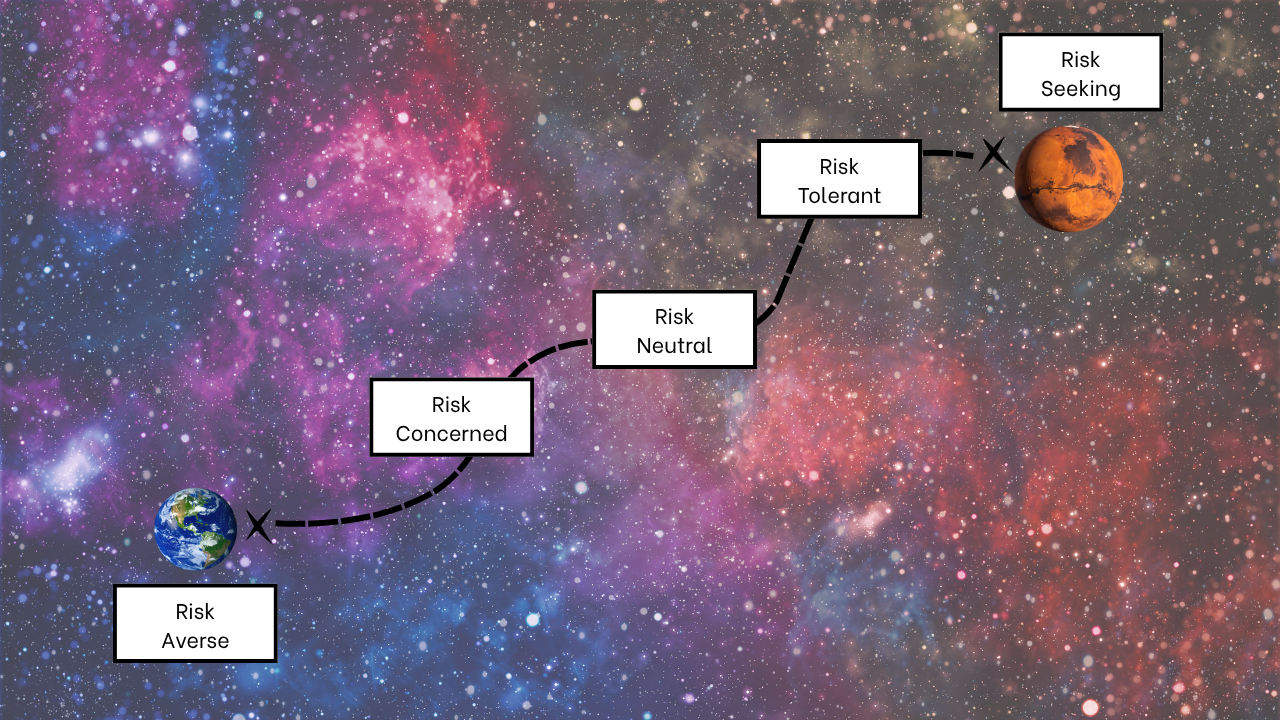
Every organization must accept some risk in order to grow and innovate. Your organization needs to establish a risk appetite. Your risk appetite will not be the same for all activities. For example, you may be risk averse when it comes to employee safety, but risk seeking when it comes to certain investments. Determine what risks you are comfortable taking in various initiatives. Establish a threshold and a timeline to look back and determine what metrics you would need to see to continue on the same path or change course.
We need to start looking at our decisions on a longer timeline. If something didn't turn out the way you expected it to, ask why. Do a postmortem. Everything is data that can be used for future decisions. So if “Failure is not an option” is on your list of inspirational phrases, I’d recommend substituting it for one by Nelson Mandela:
“I never lose. I either win, or I learn.”
