You Already Bought the Psyche
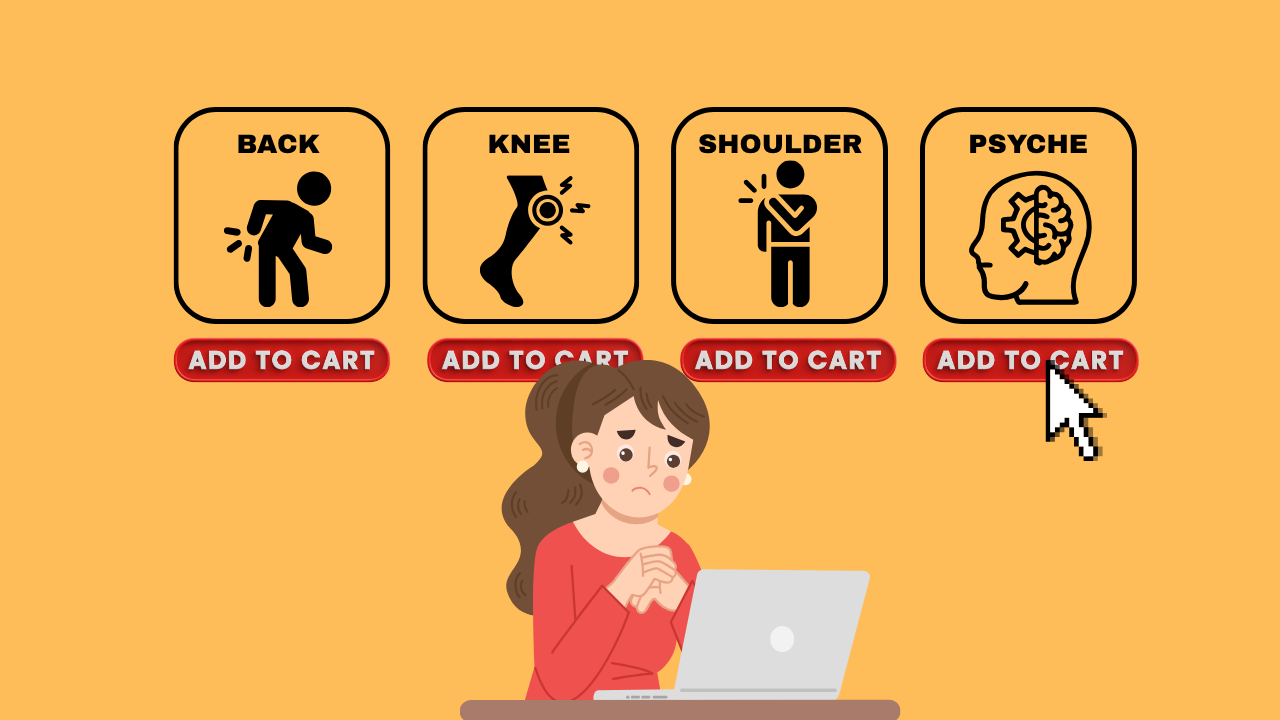
Last week, I had the pleasure of speaking at the Work Injury Medical Association of Hawaii (WIMAH) on the topic of how we respond to employee mental health challenges and stress claims in workers’ comp, and how we need to change.
In most states, the compensability threshold for psychological claims is much higher than other injuries. As a result, claims are often denied using a legal defense that the claim has not met the threshold. However, after a claim is denied, there is still work that needs to be done by the employer. You still have an employee who is suffering from stress, and that impacts how they perform at work. If the stress is alleged to have arisen out of the physical injury, it impacts the employee’s recovery.
Yet, we often hear a common objection among employers and carriers:
“I don’t want to buy the psyche”
I never liked that phrase because it reduces mental health injuries and illnesses to some sort of commodity that you can elect to purchase. In many cases, complicated claims with prolonged recovery and employees with pain management issues often have an underlying psychological component that needs to be addressed if we want a better outcome. At the WIMAH event, Dr. Anthony Pacini from Kaiser Permanente provided an amazing presentation on the science of pain, and how injured workers could greatly benefit from psychological treatment to address these issues and turn the injured worker from a passive patient to an active participant in their recovery.
And yet…
Many claims professionals still resist any consideration of psychiatric or psychological treatment because they are “afraid to buy the psyche”.
But here’s the thing: YOU ALREADY BOUGHT THE PSYCHE. You’re just failing to manage it. You’re avoiding it, but it is there. It’s showing up in increased temporary disability, increased litigation and poor medical recovery outcomes.
You’ve got a kung fu grip on a mediocre legal denial that you and I both know you’re never going to take to trial. In the meantime, you are avoiding the fact that the employee is clearly having a hard time managing their pain and recovery.
Avoidance is not a successful strategy. We need to change the way we manage the psychological component of workers’ comp injuries, and we need to change quick. Gen Z will make up 30% of our workforce by the year 2030. What do you think is going to happen to your psyche claim frequency when a third of your workforce comes from a generation that not only demands more support from employers when it comes to mental health, but also does not hold the same stigmas and fear when it comes to discussing mental health and filing psyche claims?
Earlier this year, I joined the WorkCompCollege faculty and helped develop the new curriculum for the Workers' Comp Mental Injury Claims Specialist designation. I was able to share this resource with the attendees at WIMAH, along with information on Kind Souls Foundation and my services as a Mental Health First Aid Certified Trainer. If you’re interested in working with me and training your staff on Mental Health First Aid, you can fill out the form here.
Mahalo to WIMAH for hosting an amazing event, and inviting me to speak on such an important topic.
