Your Attorney is not Your Risk Manager
I was once in a meeting with an employer and a defense attorney discussing a high severity general liability case. It was bad. This baby was gonna cost us, and we all knew it. After we discussed the defense strategy, I made some recommendations for specific loss control efforts around training and organizational policies to prevent an incident like this from occurring again. The defense attorney did not think this was a good idea.
According to him, if the employer tries to implement a training program, and then fails to adhere or maintain that training program, and another claim occurs, the fact that the employer did not adhere to their own standards would be used against us and make defense of the claim more difficult.
Huh???
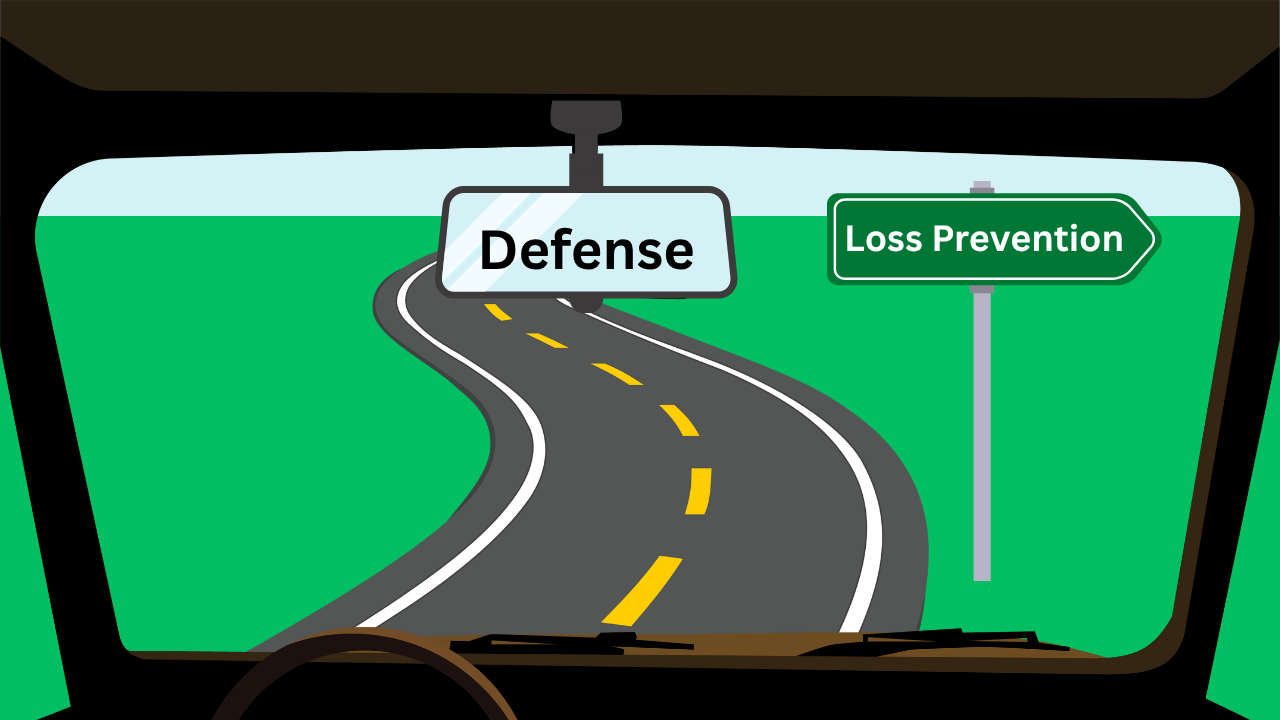
Just to set the scene here: this attorney is a very good attorney. We used him quite frequently. But this was bad risk management advice. Why would an attorney give bad advice? Because he's thinking like an attorney, not a risk manager. Attorneys see the worst case scenario, and so their recommendations are guided by what they have seen. They are looking at what would make it easier for them to defend the claim, because that's their whole job. They may not view loss prevention the same way a risk management professional will view loss prevention.
In the context of a claim, defense counsel is understandably focused on reducing its severity and building the strongest possible defense. To a risk manager, the management of risk exists outside of just the claim.
I share this story, because I've been in several meetings where an employer will ask an attorney to provide loss prevention advice. And while some attorneys can provide good loss prevention advice, it's important to remember that their scope of work exists specifically inside claims, and the world of risk management is much larger than that.
In this scenario, the attorney’s assessment was correct: if an employer has policies and training in place, and those policies are not followed, the plaintiff attorney can absolutely use that against us.
However, loss prevention keeps a claim from happening in the first place, which should be the goal from a risk management perspective.
